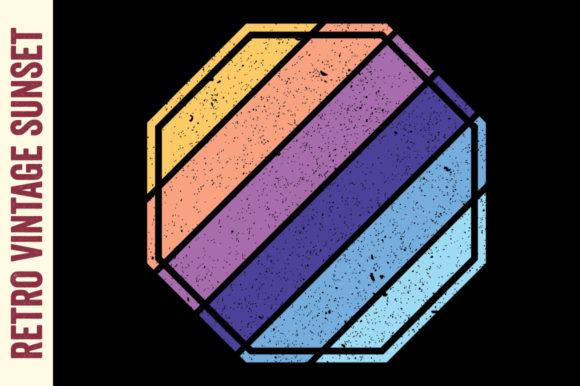
Retro Vintage Sunset Polygon Striped
As an embroidery designer and product reviewer, I’ve evaluated countless machine embroidery designs, but few have the visual charm and nostalgic appeal of the Retro Vintage Sunset Polygon Striped. This design feels like a throwback to simpler times, blending retro aesthetics with modern simplicity. It’s not just a graphic—it’s a statement.
The First Impression: A Nostalgic Visual Journey
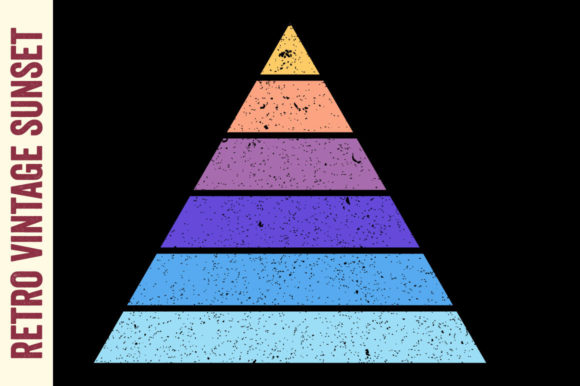
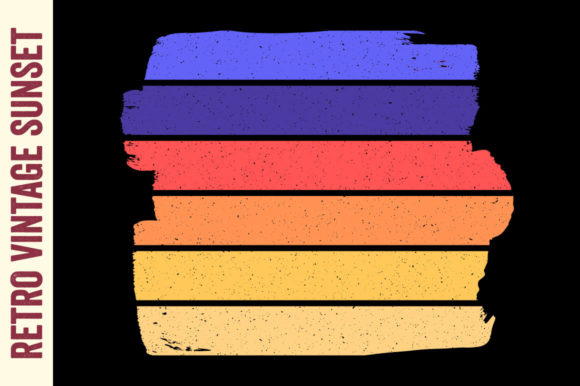
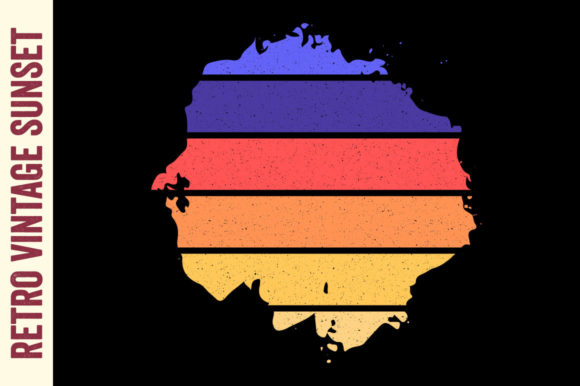
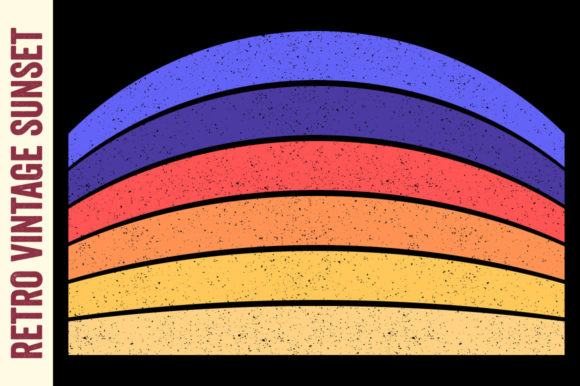
From the moment I laid eyes on the Retro Vintage Sunset Polygon Striped, it evoked a sense of warmth and comfort. The design features bold, geometric shapes that mimic the colors of a fading sunset—deep oranges, soft pinks, and muted yellows. The polygonal pattern gives it a structured yet artistic feel, making it ideal for projects that need a touch of vintage flair without being overwhelming.
The layout is clean and balanced, with a clear focal point that doesn’t clutter the space. It’s perfect for custom apparel, baby items, or even as an embroidered patch. The overall mood is cozy and inviting, which makes it great for handmade products aimed at a more mature or artisanal audience.
Real-World Use: Where Does This Design Shine?
I tested the Retro Vintage Sunset Polygon Striped on a variety of materials and projects. One of the first applications I thought of was a tote bag design. The size and shape of the design fit well within a standard hoop, and the stitch density was manageable without being too dense or too sparse. It worked especially well on cotton canvas, where the colors popped against the fabric’s natural texture.
For a sweatshirt embroidery project, the design looked sharp and professional. The contrast between the warm hues and the dark fabric made it stand out without needing additional thread color changes. It also translated well into a printable mockup, giving me confidence in how it would look when stitched onto a finished product.
When I considered using it for baby clothes, I noticed that the design’s simplicity made it safe for small spaces. It wasn’t too detailed, so it wouldn’t overwhelm a onesie or a blanket. The colors were soft enough for a nursery setting, and the geometric shapes added a playful yet sophisticated element.
Where to Be Cautious: Limitations and Considerations
While the Retro Vintage Sunset Polygon Striped is versatile, there are some scenarios where it might not perform as well. For instance, if you’re working with small hoop sizes, this design might be too large to fit comfortably. You may need to scale it down or use multiple hooping steps, which could complicate the process.
On textured fabrics, such as fleece or thick knits, the design can sometimes lose some of its clarity. The stitches might not sit as smoothly, and the saturation of the colors could vary depending on the fabric’s weave. Similarly, on thin or stretchy materials, the design might not hold up as well during wear and washing.
If you’re planning to use it on dark fabric, make sure to test the thread colors. Some of the lighter hues might not show up as clearly as they do on white or light-colored backgrounds. And for layered garments or curved surfaces like caps, you’ll need to pay close attention to how the design wraps around the edges.
Design Impact: Value, Appeal, and Professionalism
The Retro Vintage Sunset Polygon Striped has a strong visual impact that can elevate any handmade product or commercial embroidery project. Its retro aesthetic makes it instantly recognizable, which is great for brand consistency and customer recognition. Whether you’re an Etsy seller or a small shop owner, this design adds value to your offerings by providing a unique, high-quality option for personalized gifts or custom apparel.
From a stitching perspective, the design is well-balanced. The combination of satin stitch and fill stitch creates a smooth finish without being too heavy. It also allows for flexibility in thread color choices, which is a big plus for designers who want to customize their projects.
As a digital embroidery file, it’s easy to work with and integrates well into most embroidery software. However, I recommend testing it on scrap fabric before committing to a final project. This will help you identify any potential issues with stitch density, stabilizer use, or thread color contrast.
Practical Designer Notes: What to Check Before Using
Before using the Retro Vintage Sunset Polygon Striped in your own projects, here are a few things to consider:
- Test on scrap fabric: Always check how the design looks on your intended material before starting a full project.
- Check thread color contrast: Ensure the colors you choose will stand out on your chosen fabric.
- Review stitch density: Make sure the design isn’t too dense, which could cause puckering or distortion.
- Confirm hoop size: Verify that the design fits within your available hoop size or adjust accordingly.
- Inspect small details: Look closely at corners and edges to ensure they’re clean and precise.
- Test in black and white: This helps you see how the design will look without color, which is useful for mockups.
- Compare with light and dark backgrounds: This ensures the design is versatile and adaptable.
- Use proper stabilizer: Especially important for delicate or stretchy fabrics.
- Check licensing: Confirm whether the design is suitable for both personal and commercial use.
Final Thoughts: A Timeless Addition to Your Design Library
The Retro Vintage Sunset Polygon Striped is a standout design that offers both aesthetic appeal and practical usability. Whether you’re creating custom apparel, baby items, or holiday gifts, this design has the potential to become a favorite in your collection. Its retro vibe and clean layout make it adaptable to a wide range of projects, while its performance in real-world embroidery situations proves its reliability.
For embroidery designers, crafters, and small business owners, the Retro Vintage Sunset Polygon Striped is more than just a graphics file—it’s a tool that can help you create beautiful, marketable products. With a little care and testing, it can become a valuable asset in your creative workflow.