1980s Retro Colour Palettes
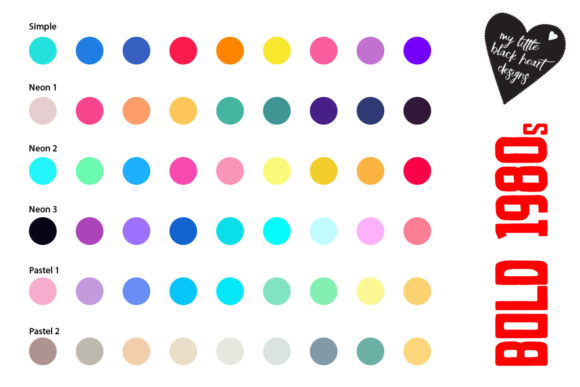
As a designer who’s spent years working with machine embroidery design, I’ve seen my fair share of retro-inspired colour schemes. But the 1980s Retro Colour Palettes stand out for their thoughtful approach to nostalgia. This set of six versatile colour palettes is more than just a collection of hues—it’s a tool that can elevate a wide range of projects, from custom apparel to handmade products and commercial embroidery.
The First Impression: Nostalgia Meets Versatility
When I first opened the 1980s Retro Colour Palettes, the mood was immediately clear. The bold, vibrant tones and soft pastels evoke the energy of the 80s without feeling forced or overdone. The layout is clean, making it easy to identify which palette suits a specific project. Whether you're going for neon pop or muted retro, these palettes offer a balance between authenticity and practicality.
The visual personality of this design feels right at home in a variety of embroidery projects. It’s ideal for anything that needs a fresh yet familiar look—think baby items, holiday gifts, or boutique merchandise. The detail level is consistent across all six palettes, ensuring that each design maintains its integrity whether used as a standalone piece or part of a larger composition.
Real-World Use: From Tote Bags to Sweatshirts
I tested the 1980s Retro Colour Palettes on several real-world projects, starting with a custom embroidered tote bag. The colours popped against the light fabric, creating a striking visual effect that would catch a customer’s eye. For a sweatshirt embroidery project, the neons worked well with dark backgrounds, adding a pop of energy without overwhelming the design.
On baby clothes, the pastel shades were soft and gentle, perfect for a nursery decor piece. The design also translated well into an embroidered patch, where the saturation of the colours made the details stand out. Whether it's a personalized gift or a small shop product, the 1980s Retro Colour Palettes offers a level of versatility that’s hard to match.
Where to Be Cautious: Fabric and Design Considerations
While the 1980s Retro Colour Palettes are generally forgiving, there are some situations where care is needed. On small hoop sizes, the intricate details might get lost, so it’s best to simplify the design or use a larger hoop if possible. Textured fabrics can also affect how the thread colors show up, so testing on scrap fabric before committing to a project is always a good idea.
Thin or stretchy fabrics may require additional stabilizer to prevent puckering or distortion. Dark fabrics can make the lighter palettes less visible, so adjusting the thread colors or using a contrasting background could help. When working with curved surfaces like caps, the stitch density needs to be carefully managed to avoid bulkiness or uneven stitching.
Visual Appeal and Customer Perception
The 1980s Retro Colour Palettes contribute significantly to the visual appeal of any finished product. A well-executed design can transform a simple item into something memorable. Customers often respond positively to nostalgic themes, especially when they’re executed with care and attention to detail.
For a craft business or Etsy seller, this design adds value by offering a unique aesthetic that stands out in a crowded market. It also supports brand consistency, helping to create a cohesive look across different products. Whether it’s a handmade product or a commercial embroidery project, the 1980s Retro Colour Palettes brings a level of professionalism that customers appreciate.
Practical Designer Notes: Testing and Preparation
Before finalizing any project, I always recommend testing the 1980s Retro Colour Palettes on scrap fabric. This helps ensure that the thread colors work well together and that the stitch density is appropriate for the intended fabric type. Checking the design in black and white mockups can also reveal potential issues with contrast or detail visibility.
It’s also important to compare the design on both light and dark fabric backgrounds. Some palettes may look great on one but not the other, depending on the thread colors used. Using the right stabilizer is crucial, especially on delicate or stretchy materials. For commercial projects, confirming the licensing terms is essential to avoid any legal complications.
Final Thoughts: A Reliable Choice for Retro Projects
The 1980s Retro Colour Palettes is a solid choice for anyone looking to add a vintage flair to their embroidery projects. Its versatility makes it suitable for a wide range of applications, from personal use to commercial ventures. Whether you’re an Etsy seller, a small shop owner, or a creative entrepreneur, this set offers the tools needed to create standout designs that resonate with customers.
With careful consideration of fabric type, hoop size, and stitch density, the 1980s Retro Colour Palettes can become a valuable addition to your design assets. It’s a reminder that sometimes, the best designs are those that honor the past while remaining relevant to today’s market.